
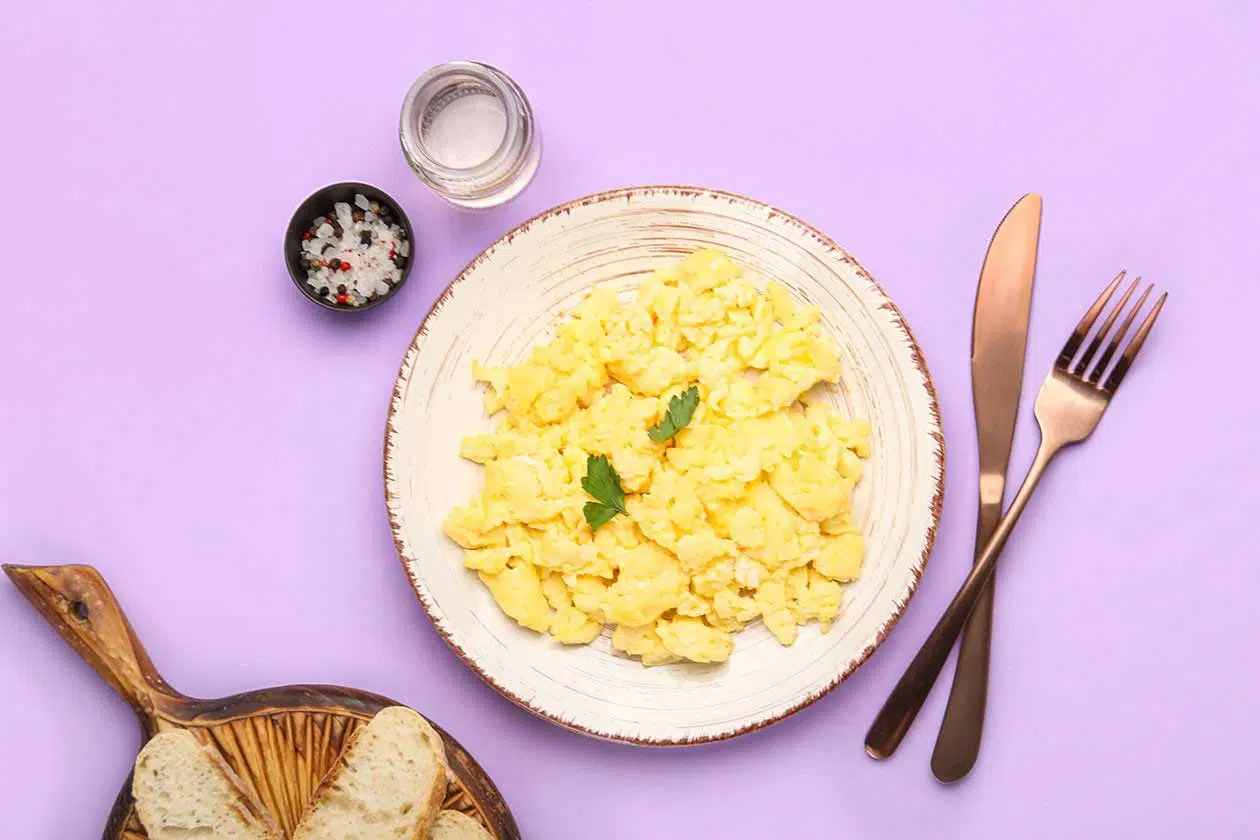
Yes, you can eat scrambled eggs after dental implant surgery. They’re soft, high in protein, and gentle on healing gums. Stick to soft foods for about 7 days after surgery, and avoid hard, sticky, or spicy foods until cleared by your dentist.
Dental implant surgery is a significant procedure that requires careful attention to post-operative care, particularly regarding diet. After undergoing such surgery, patients often have questions about what foods are safe to consume during the recovery period. One common inquiry is whether scrambled eggs are a suitable option. This article will explore the importance of diet after dental implant surgery, the safety of scrambled eggs, and provide guidance on meal choices during recovery.
Key Takeaways
- Soft, high-protein foods like scrambled eggs help tissue repair.
- Avoid crunchy or hot foods that can irritate surgical sites.
- Add gentle extras (milk, cheese, avocado) for more nutrition.
- Follow dentist’s instructions before reintroducing solid foods.
Contents
- 1 Importance of Diet After Dental Implant Surgery
- 2 Role of Nutrition in Healing and Implant Success
- 3 Importance of Soft, Non-Irritating Foods
- 4 Are Scrambled Eggs Safe to Eat After Dental Implant Surgery?
- 5 Benefits: Soft Texture, Easy to Chew, High Protein
- 6 Gentle on Gums and Implant Site
- 7 How to Prepare Scrambled Eggs for Easy Eating
- 8 Foods to Avoid After Dental Implant Surgery
- 9 Warning Box:
- 10 Other Recommended Soft Foods
- 11 Encourage Variety for Balanced Nutrition
- 12 When to Return to Normal Foods
- 13 Tips for Faster Healing
- 14 Frequently Asked Questions:
- 15 Conclusion
Importance of Diet After Dental Implant Surgery
Following dental implant surgery, the body enters a healing phase where nutrition plays a crucial role. The right diet can significantly influence recovery, helping to minimize discomfort and promote healing.
Role of Nutrition in Healing and Implant Success
Nutrition is vital for tissue repair and overall health. After surgery, the body requires specific nutrients to facilitate healing. Proteins, vitamins, and minerals are essential for repairing tissues and supporting the immune system. A well-balanced diet can help reduce inflammation and promote faster recovery.
Learn more about how long dental implants take to heal.
Importance of Soft, Non-Irritating Foods
In the initial days following surgery, it is essential to consume soft foods that do not require much chewing. This is because the surgical sites are sensitive, and hard or crunchy foods can cause irritation or damage. Soft foods are easier to eat and less likely to disrupt the healing process.
Are Scrambled Eggs Safe to Eat After Dental Implant Surgery?
When it comes to post-surgery meals, scrambled eggs are often considered a safe and nutritious option.
Benefits: Soft Texture, Easy to Chew, High Protein
Scrambled eggs have a soft texture that makes them easy to chew and swallow, making them an ideal choice for those recovering from dental procedures. They are also rich in protein, which is essential for tissue repair and overall health. The protein content in eggs can help support the healing process, making them a beneficial addition to your diet.
Gentle on Gums and Implant Site
The soft consistency of scrambled eggs means they are gentle on the gums and the surgical site. Unlike harder foods that can cause discomfort or damage, scrambled eggs can be consumed without putting pressure on sensitive areas, allowing for a more comfortable eating experience.
Quick Win: Add a tablespoon of milk per egg and cook on low heat—perfect texture without dryness.
How to Prepare Scrambled Eggs for Easy Eating
To maximize the benefits of scrambled eggs during recovery, it’s essential to prepare them correctly.
Cook Soft and Fluffy, Avoid Dryness or Crusty Texture
When cooking scrambled eggs, aim for a soft and fluffy texture. Overcooking can lead to dryness, making them less palatable and harder to eat. Cooking them on low heat and stirring gently can help achieve the desired consistency.
Add Milk, Cheese, or Avocado for Extra Softness and Nutrients
Incorporating ingredients like milk, cheese, or avocado can enhance the creaminess of scrambled eggs, making them even easier to consume. These additions not only improve texture but also provide additional nutrients that support healing.
Avoid Very Hot Temperatures
It’s crucial to allow scrambled eggs to cool slightly before eating. Consuming very hot foods can increase sensitivity and discomfort in the mouth, especially after surgery. Aim for a lukewarm temperature to ensure a pleasant eating experience.
Foods to Avoid After Dental Implant Surgery
While scrambled eggs are a safe choice, there are several foods to avoid during the recovery period.
Hard, Crunchy, Sticky, or Spicy Foods
Certain foods can pose risks to healing tissues. Hard foods like nuts and chips can cause damage to the implant site, while sticky foods such as caramel can adhere to the surgical area, increasing the risk of infection. Spicy foods can irritate sensitive gums and should be avoided until healing is well underway.
Read more about the risks and benefits of dental implants.
Examples: Nuts, Chips, Crusty Bread, Tough Meats
Specific examples of foods to steer clear of include:
- Nuts: Hard and crunchy, they can cause discomfort.
- Chips: Their sharp edges can irritate the gums.
- Crusty Bread: Can be difficult to chew and may get stuck in the surgical site.
- Tough Meats: Require significant chewing and can be hard on sensitive areas.
Warning Box:
Even one hard bite on a healing implant can dislodge the clot or cause micro-movement—delaying recovery.
Other Recommended Soft Foods
In addition to scrambled eggs, there are numerous other soft foods that can be beneficial during recovery.
Mashed Potatoes, Yogurt, Smoothies, Oatmeal, Soup, Fish
- Mashed Potatoes: Creamy and easy to eat, they provide comfort and nutrition.
- Yogurt: A great source of protein and probiotics, yogurt can aid digestion.
- Smoothies: Blending fruits and vegetables into smoothies can provide essential vitamins without the need for chewing.
- Oatmeal: Soft and filling, oatmeal is a nutritious breakfast option — check out teeth-brushing best practices to maintain oral health while recovering.
- Soup: Broth-based soups are soothing and easy to consume.
- Fish: Tender fishlike salmon or tilapia can be a great source of protein and omega-3 fatty acids.
Category | Examples | Benefits |
Protein | Scrambled eggs, fish, yogurt | Tissue repair |
Carbs | Oatmeal, mashed potatoes | Comfort & energy |
Hydration | Soups, smoothies | Prevents dry mouth |
Nutrients | Puréed fruits, veggie smoothies | Vitamins & antioxidants |
Encourage Variety for Balanced Nutrition
Incorporating a variety of soft foods can help ensure that you receive a balanced diet during recovery. Aim for a mix of proteins, carbohydrates, and healthy fats to support overall health and healing.
For cosmetic confidence after recovery, you can explore treatments like teeth whitening or veneers.
When to Return to Normal Foods
When & How to Return to Normal Foods
Timeline (Based on Dentist Guidance):
- Days 1–3: Liquids and purées
- Days 4–7: Soft foods (scrambled eggs, mashed potatoes)
- After Week 1: Gradually reintroduce solids — only if painless
Readiness Signs:
- Minimal swelling
- No bleeding
- Ability to chew without discomfort
Tips for Faster Healing
To promote a quicker recovery, consider the following tips:
Stay Hydrated
Drinking plenty of fluids is crucial for overall health and can aid in the healing process. Staying hydrated helps maintain saliva production, which is essential for oral health.
Maintain Gentle Oral Hygiene
Following your dentist’s instructions for oral hygiene is vital. Gently brushing your teeth and rinsing with saltwater can help keep the surgical area clean and free from infection. Regular cleanings and check-ups are key — learn why in the benefits of regular dental check-ups.
Follow Dentist’s Post-Op Instructions
Always adhere to the post-operative care guidelines provided by your dentist. These instructions are tailored to your specific situation and can significantly impact your recovery.
Frequently Asked Questions:
Q: Can I eat eggs right after surgery?
A: Wait 24–48 hours before eating soft eggs.
Q: How long should I avoid crunchy foods?
A: Usually 7–10 days but ask your dentist.
Conclusion
In summary, scrambled eggs are a safe and nutritious food choice after dental implant surgery. Their soft texture, high protein content, and ease of preparation make them an excellent option for those in recovery. By focusing on a diet rich in soft, nutrient-dense foods, you can support your healing process and ensure a successful recovery.
Remember to consult with your dentist regarding your dietary choices and follow their recommendations for the best outcomes. Enjoy your journey to a healthier smile!