

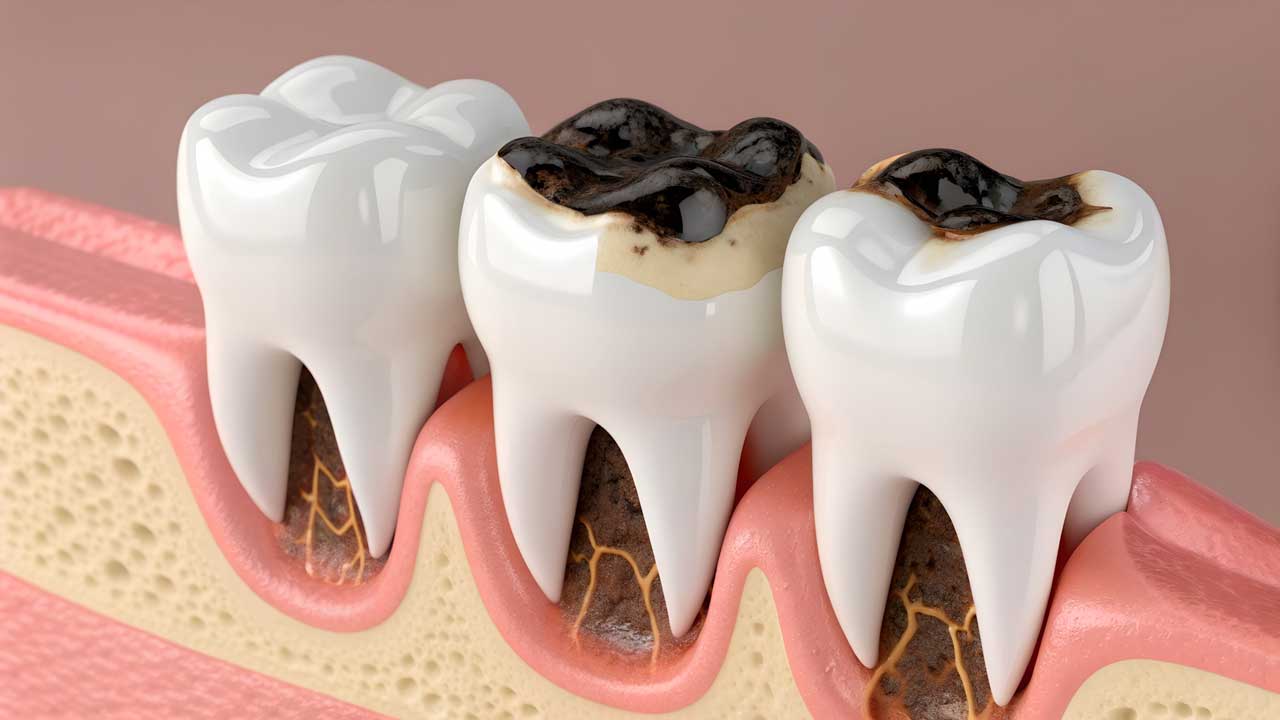
Short Answer: Yes, badly decayed teeth can often be repaired, even when the damage looks severe. Modern dentistry offers solutions like fillings, crowns, and root canal therapy that can save natural teeth if enough healthy structure remains. However, when decay or infection is too advanced, extraction may be the safest option.
This article will explore the causes of severe tooth decay, how dentists assess the damage, various treatment options available, and preventive measures to maintain oral health.
Contents
- 1 Key Takeaways
- 2 When Can a Badly Decayed Tooth Be Saved?
- 3 What Causes Severe Tooth Decay?
- 4 How Dentists Determine If a Tooth Can Be Saved
- 5 Treatment Options for Badly Decayed Teeth
- 6 Repair vs Extraction: Which Is Better?
- 7 What Happens If You Don’t Treat Severe Tooth Decay?
- 8 How to Prevent Severe Tooth Decay
- 9 Frequently Asked Questions (FAQs)
- 10 Final Thoughts: Can Badly Decayed Teeth Be Repaired?
Key Takeaways
- In many cases, badly decayed teeth can still be repaired.
- Common treatments include fillings, crowns, and root canals.
- Teeth can often be saved if the infection hasn’t progressed too far.
- Early treatment reduces pain, complications, and overall costs.
- Extraction is only recommended when other repair options aren’t possible.
When Can a Badly Decayed Tooth Be Saved?
Badly decayed teeth are more common than many people realize, and thanks to advances in dental technology, saving a tooth is often possible.
The success of the repair depends on:
- How much healthy tooth structure remains
- Whether the tooth pulp is infected
- The health of the surrounding gums and jawbone
Dentists aim to preserve natural teeth whenever possible because they function better, look more natural, and help prevent bone loss.
What Causes Severe Tooth Decay?
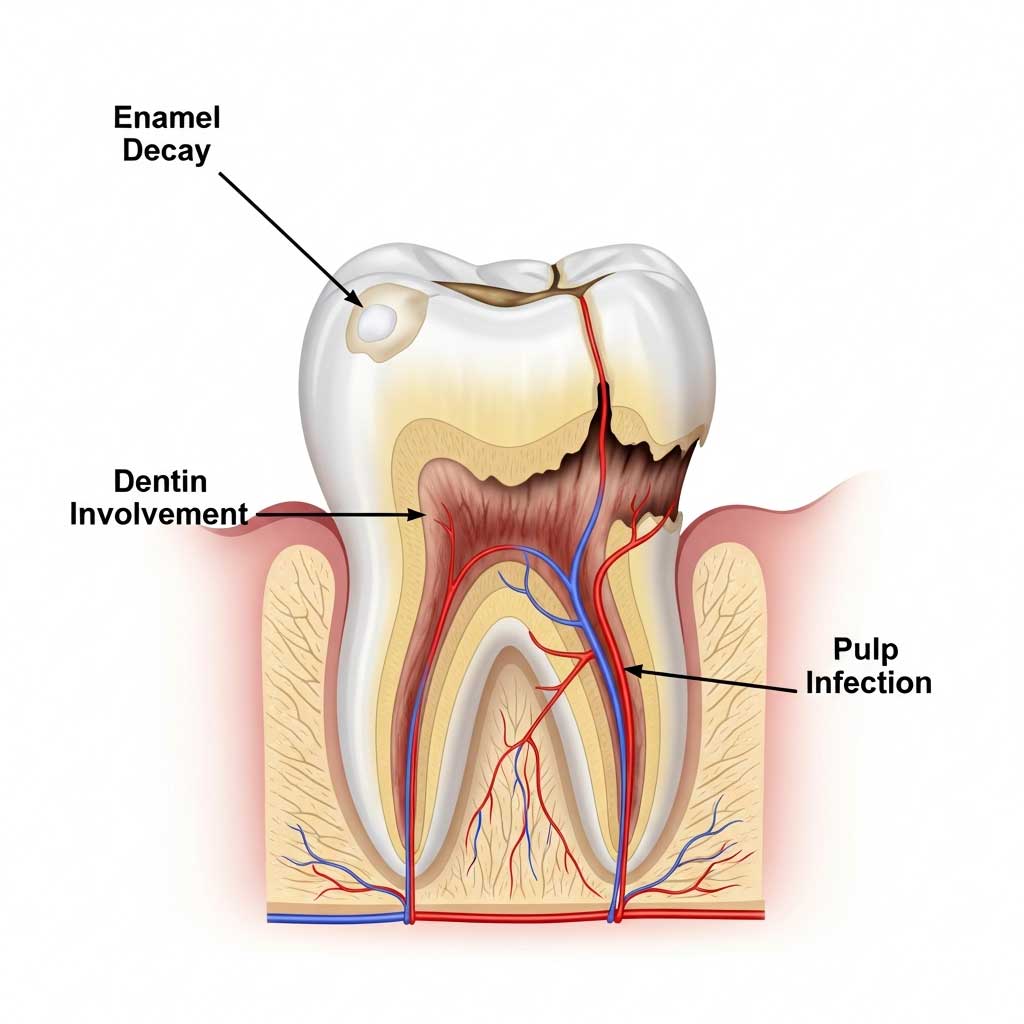
Tooth decay develops when bacteria in the mouth produce acids that wear away tooth enamel. If left untreated, decay can spread deeper into the tooth. Understanding the causes of severe tooth decay is crucial for prevention and treatment.
- Poor Oral Hygiene
Inadequate brushing and flossing allow plaque to accumulate, leading to decay.
- Sugary and Acidic Diet
Frequent consumption of sugary snacks, fizzy drinks, and acidic foods feeds decay-causing bacteria.
- Delayed Dental Treatment
Ignoring early signs of decay can lead to more severe issues that require extensive treatment.
- Dry Mouth (Low Saliva Production)
Conditions that reduce saliva flow can increase the risk of decay, as saliva helps neutralize acids and wash away food particles.
How Dentists Determine If a Tooth Can Be Saved
When you visit a dentist for concerns about decay, they will conduct a thorough examination to determine the extent of the damage. This assessment typically involves:
Visual Examination and Dental X-Rays
- Visual Inspection: Dentists look for visible signs of decay, such as discoloration or holes in the teeth.
- X-rays: These images help identify decay beneath the surface, revealing damage to the enamel, dentin, and pulp.
How Deep Has the Decay Spread?
The dentist will evaluate whether the decay is limited to the enamel, has progressed to the dentin, or has reached the pulp. This assessment is crucial in deciding on the appropriate treatment.
Signs That a Tooth May Still Be Saved
- Minimal Damage: If the decay is confined to the enamel or early dentin, there may still be options for repair.
- No Infection: If there are no signs of infection or abscess, the tooth is more likely to be salvageable.
Treatment Options for Badly Decayed Teeth
When it comes to treating severely decayed teeth, several options are available, depending on the extent of the damage.
Dental Fillings (Mild to Moderate Decay)
Best for: Small to medium cavities
- Removes decayed material
- Restores tooth shape and function
- Common materials: composite resin, amalgam
Not suitable when decay is extensive or structural strength is compromised.
Dental Crowns (Extensive Damage)
Best for: Teeth with large cavities or weakened structure
- Covers and protects the entire tooth
- Restores strength, function, and appearance
- Materials include porcelain, ceramic, metal, or zirconia
Root Canal Therapy (Infected Pulp)
Best for: Teeth with deep decay or infection
- Removes infected pulp
- Cleans and seals the root canals
- Prevents extraction
- Usually followed by a crown
Tip: Root canal treatment often saves teeth that would otherwise be lost.
Tooth Extraction (When Repair Isn’t Possible)
Required when:
- Tooth structure is severely destroyed
- Infection has spread extensively
- Bone loss prevents stability
Replacement options include:
- Dental implants
- Bridges
- Dentures
Repair vs Extraction: Which Is Better?
Factor | Tooth Repair | Tooth Extraction |
Keeps natural tooth | Yes | No |
Chewing & bite | Preserved | May change |
Appearance | Most natural | Requires replacement |
Bone preservation | Yes | Bone loss risk |
Long-term cost | Lower | Higher |
Saving natural teeth is almost always preferred when clinically possible. Read our article on Why & When a Tooth Needs to Be Removed
What Happens If You Don’t Treat Severe Tooth Decay?
Neglecting to address severe tooth decay can lead to serious consequences.
- Infection Spread: Bacteria can spread to nearby teeth, gums, or jawbone.
- Pain and Abscess Formation: Advanced decay often causes severe pain and swelling.
- Bone Loss: Infections can damage the jawbone, complicating future treatment.
- Tooth Loss: Untreated decay almost always ends in tooth loss.
How to Prevent Severe Tooth Decay
Daily Oral Hygiene
- Brush at least twice a day with fluoride toothpaste to remove plaque and prevent decay.
- Flossing: Daily flossing helps clean between teeth and remove food particles that brushing may miss.
Regular Dental Visits
Routine check-ups and cleanings allow dentists to catch early signs of decay and provide preventive care.
Fluoride Use
Fluoride strengthens tooth enamel and helps prevent decay. Consider using fluoride mouth rinses or gels if recommended by your dentist.
Diet Tips
- Limit Sugary Snacks: Reducing the intake of sugary foods and drinks can significantly decrease the risk of decay.
- Stay Hydrated: Drinking plenty of water helps wash away food particles and neutralize acids in the mouth.
Frequently Asked Questions (FAQs)
- Can a badly decayed tooth be saved without a crown?
In some cases, if the decay is minimal, a filling may suffice. However, if the tooth is significantly damaged, a crown is often necessary for protection. - Is it painful to fix a badly decayed tooth?
Most dental procedures are performed under local anesthesia, minimizing discomfort. Patients may experience some sensitivity afterward, but this typically subsides quickly. - How long does treatment take?
The duration of treatment varies based on the procedure. Fillings can often be completed in one visit, while root canals may require multiple appointments. - Can badly decayed teeth be fixed in one visit?
Minor decay can often be treated in one appointment.
Final Thoughts: Can Badly Decayed Teeth Be Repaired?
Yes, many badly decayed teeth can be repaired, even when they appear severely damaged. The key factors are early diagnosis, proper treatment, and good oral health habits. Modern dentistry prioritizes saving natural teeth whenever possible, helping patients maintain better function, appearance, and long-term oral health.
If you suspect severe tooth decay, consult a dentist promptly to explore your treatment options before repair becomes impossible.