

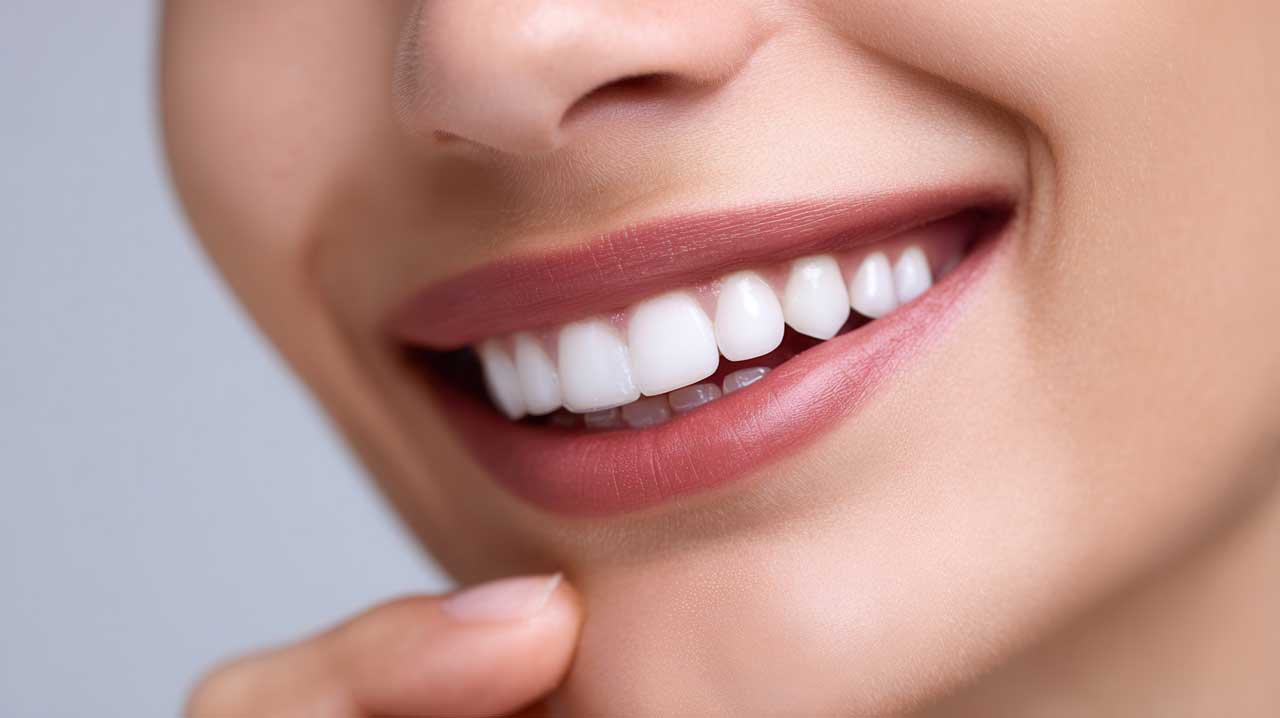
Looking for ways to improve your smile without surgery? Non-surgical smile improvement options, including teeth whitening, dental bonding, minimal-prep veneers, clear aligners, and enamel contouring, offer a safe, effective, and minimally invasive path to a brighter, straighter smile.
These treatments preserve natural teeth, reduce discomfort, and are often more affordable than surgical procedures. Perfect for those seeking cosmetic dental options without surgery or a non-invasive smile makeover.
Contents
Quick Takeaways:
- Teeth whitening brightens smiles at home or in-office.
- Dental bonding fixes chips, gaps, and minor cracks in a single visit.
- Minimal-prep veneers enhance aesthetics with little enamel removal.
- Clear aligners straighten teeth discreetly without braces.
- Non-surgical cosmetic dentistry may require maintenance, but avoid surgery.
Why Non-Surgical Smile Improvement Makes Sense
Enhancing your smile doesn’t always require invasive procedures. Non-surgical cosmetic dentistry offers practical ways to improve smiles without veneers or major dental surgery. Benefits include:
- Minimal Recovery Time: Most treatments allow immediate return to daily activities.
- Less Pain or Discomfort: Non-invasive procedures reduce anxiety and discomfort.
- Cost-Effective: Often more affordable than surgical options.
- Preserves Natural Tooth Structure: Enhances your smile while keeping teeth healthy.
Tip: Combining treatments like whitening and bonding can maximize results in a non-invasive smile makeover.
Top Non-Surgical Smile Improvement Options
Before exploring the individual non-surgical treatments below, many patients want to understand what the overall smile makeover process looks like. If you’re curious about timelines, consultations, and what happens at each stage, this guide from Costello Dentistry explains what to expect during a smile makeover procedure in detail.
1. Teeth Whitening
Brighten your smile at home or in-office:
Teeth whitening addresses stains caused by coffee, tea, tobacco, and aging. It’s one of the most popular ways to achieve non-surgical smile improvement.
In-Office vs. At-Home Treatments:
- In-Office: Immediate results using stronger bleaching agents.
- At-Home Kits: Gradual whitening at your convenience.
Benefits:
- Lightens stubborn stains that over-the-counter products can’t tackle.
- Safe and fast when performed by a professional dentist.
2. Dental Bonding
Fix chips, gaps, or minor cracks in a single visit
Dental bonding uses a tooth-colored resin applied to imperfections, sculpted to match natural teeth, and hardened with a special light.
Why Bonding Works:
- Minimally invasive; little to no anesthesia required.
- Preserves natural tooth structure.
- Quick cosmetic fix, often in just one visit.
3. Minimal-Prep Veneers
Enhance your smile without extensive enamel removal
Veneers are thin shells that cover the front of teeth to correct discoloration, chips, or uneven teeth. Minimal-prep veneers (like Lumineers) require little to no enamel shaving.
Benefits:
- Dramatic smile improvement while preserving natural enamel.
- Natural-looking and long-lasting results.
Warning: Traditional veneers are less reversible; removal usually requires enamel reduction.
4. Clear Aligners (Invisalign & Similar)
Straighten teeth non-surgically
Clear aligners gradually shift teeth into proper alignment using custom trays. Ideal for mild to moderate crowding or spacing; they are discreet, removable, and comfortable.
Advantages:
- Avoid braces or surgical intervention.
- Works for teens and adults alike.
- Can complement whitening or bonding for a full smile makeover.
5. Enamel Shaping or Contouring
Smooth out minor imperfections quickly
Enamel shaping removes small amounts of tooth enamel to correct asymmetry, rough edges, or slight size differences. Often completed in one visit with no anesthesia.
Benefits:
- Quick, non-invasive cosmetic enhancement.
- Can be combined with bonding or whitening for a polished smile.
6. Orthodontic Retainers
Maintain or slightly improve alignment without braces
Retainers correct minor spacing or bite issues and help preserve the results of previous orthodontic treatment.
- Supports other cosmetic treatments.
- Simple, non-invasive method for minor adjustments.
Non-Surgical Smile Options:
Treatment Option | Purpose | Longevity | Benefits |
Teeth Whitening | Brighten teeth | 6 months–2 years | Best for surface stains |
Dental Bonding | Repair chips, gaps, cracks | 3–10 years | Minimally invasive |
Minimal-Prep Veneers | Cosmetic enhancement | 10–15 years | Little to no enamel removal |
Clear Aligners | Straighten teeth | Permanent with retainer | Ideal for mild/moderate misalignment |
Enamel Shaping | Smooth imperfections | Permanent | Can combine with bonding/whitening |
Retainers | Maintain alignment | Ongoing | Supports other cosmetic treatments |
Insurance Coverage Variations: Insurance coverage for cosmetic dental procedures can vary widely. It’s essential to check with your provider to understand what treatments may be covered and what your out-of-pocket expenses will be.
Maintenance Tips for a Lasting Smile
- Brush twice daily and floss once daily.
- Schedule regular dental checkups.
- Limit coffee, tea, red wine, and other staining substances.
- Wear retainers or nightguards as prescribed.
Tip: Schedule whitening touch-ups and bonding inspections to keep results long-lasting.
Frequently Asked Questions (FAQs)
- Can I fix a crooked smile without surgery?
Yes! Clear aligners and dental bonding are effective non-surgical cosmetic dentistry options for correcting minor misalignments. - How long do non-surgical cosmetic treatments last?
Results vary: teeth whitening lasts 6 months–2 years, bonding lasts 3–10 years, and minimal-prep veneers last 10–15 years. - Is teeth whitening safe?
Professional whitening is safe when performed under a dentist’s supervision. Avoid overuse of at-home kits to protect enamel. - Can bonding or veneers be reversed?
Bonding is often reversible; veneers are more permanent, and removal usually requires some enamel reduction. - What’s the difference between surgical and non-surgical smile makeovers?
Surgical options offer more dramatic results, while non-surgical cosmetic dentistry improves your smile with minimal pain and downtime.
Choosing the Right Non-Surgical Smile Option
Selecting the best non-surgical treatment for your smile improvement involves several considerations: